
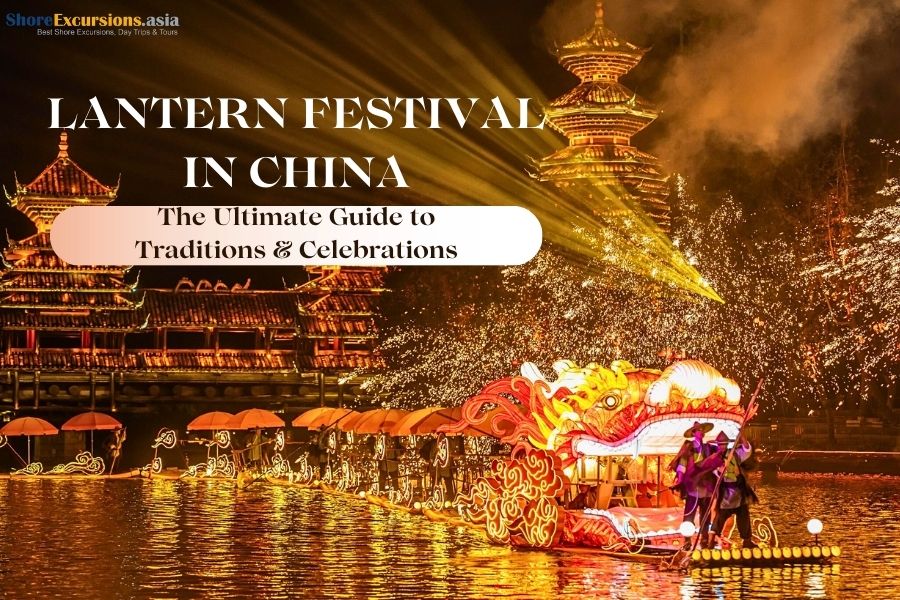
The Chinese Lantern Festival, known as Yuánxiāojié (元宵节), is one of the most important traditional celebrations in China. Celebrated on the fifteenth day of the first lunar month, it marks the first full moon of the year and the end of the Chinese New Year period.
Unlike the family-centered Lunar New Year, the Lantern Festival is a lively public event with lantern displays, performances, and night celebrations across the country. For travelers visiting China in early spring, it is a perfect opportunity to experience traditional culture, often included in itineraries with China Shore Excursions.
This guide explains the meaning of the festival, the best places to celebrate, and useful tips for planning your trip.
Meaning Date and Origins of the Lantern Festival in China
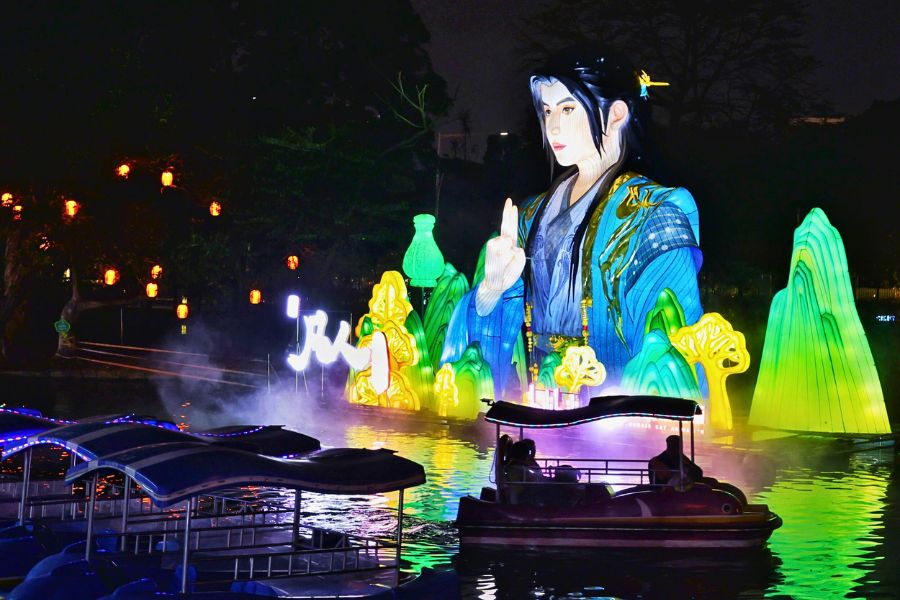
The Lantern Festival is one of the most important traditional festivals in Chinese culture. It is celebrated on the fifteenth day of the first lunar month, when the first full moon appears after the Lunar New Year. This moment symbolizes completion, reunion, and the beginning of a new cycle.
The origins of the festival go back more than two thousand years to the Han Dynasty. Historical records suggest that the custom of lighting lanterns began as a Buddhist ritual. Monks lit lanterns to honor the Buddha, and the emperor later encouraged the tradition throughout the country.
The full moon on this day represents harmony and unity. Lighting lanterns was believed to drive away darkness and bring good luck for the coming year. Today the festival combines ancient beliefs with modern celebrations, making it one of the most impressive cultural events in China.
Traditional Activities at the Lantern Festival
The Lantern Festival is not only about watching lantern displays. It is also a time when people take part in customs that have been practiced for centuries. These activities reflect the meaning of reunion, happiness, and good fortune.
Eating Tangyuan

Tangyuan are sweet rice balls made from glutinous rice flour and usually filled with sesame, peanut, or red bean paste. Their round shape represents completeness and family unity. Eating tangyuan on the night of the festival is believed to bring harmony and happiness in the coming year.
Guessing Lantern Riddles
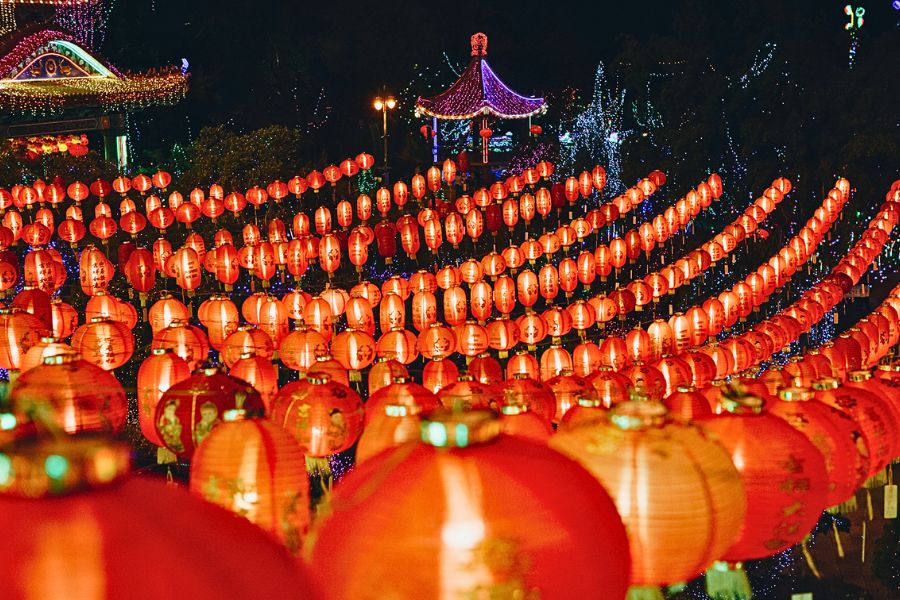
In parks and temple areas, lanterns often have small pieces of paper attached with riddles written on them. Visitors try to solve the puzzles, and those who answer correctly may receive a small prize. This tradition is popular in many cities and is a fun way to experience Chinese culture.
Dragon and Lion Dances
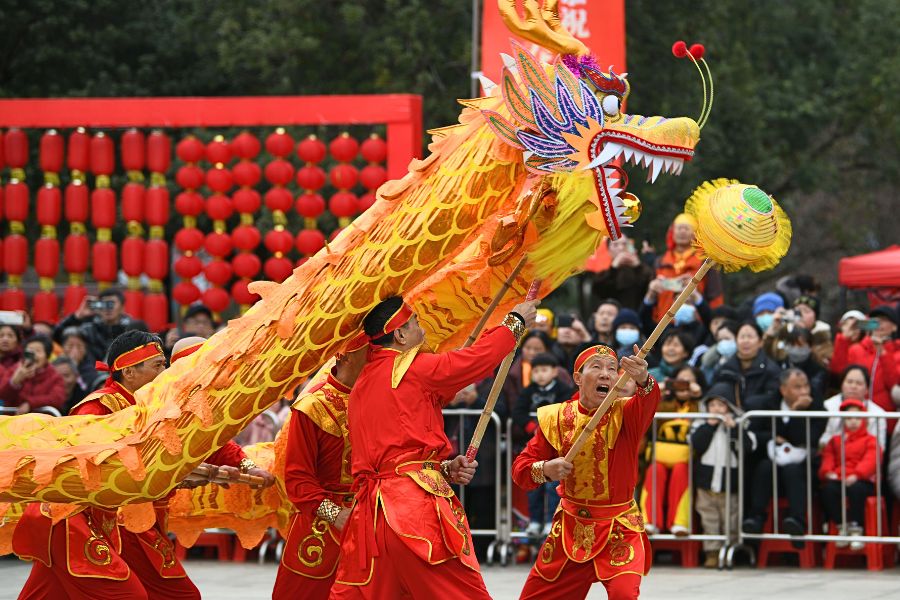
Dragon dances and lion dances are common during the Lantern Festival. The performances are accompanied by drums and cymbals, creating an exciting atmosphere in streets and public squares. The dragon is a symbol of strength and good fortune, and the dance is believed to bring luck for the new year.
Best Places to Celebrate the Lantern Festival in China
Different regions in China celebrate the Lantern Festival in different ways. Some cities are famous for large lantern displays, while others are known for traditional riverside celebrations. Each destination offers a unique atmosphere, allowing visitors to experience the festival through different cultural styles and local traditions.
Zigong Sichuan
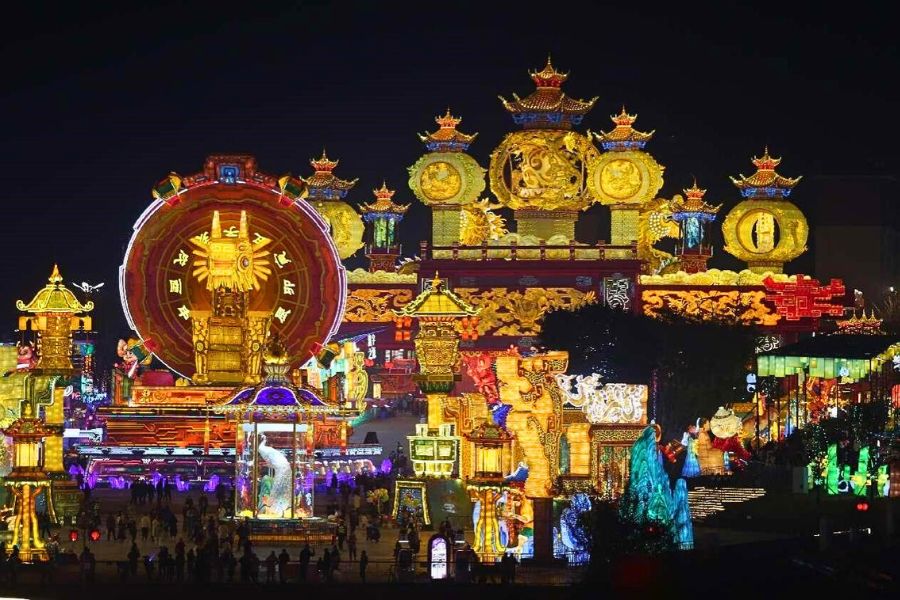
Zigong is known for hosting one of the largest lantern festivals in the world. The displays here are famous for their size and creativity, often combining traditional craftsmanship with modern lighting technology. Some lantern structures are several stories high and include moving figures and detailed sculptures.
The festival usually runs from late January until late March, with the best viewing time in the evening. Ticket prices are normally between 100 and 165 RMB depending on the day. March weather in Zigong is mild, usually between 10°C and 18°C, which makes walking at night comfortable.
Because Zigong is located in Sichuan Province, many visitors combine it with nearby destinations such as Chengdu to explore more of the region’s culture and cuisine.
Nanjing
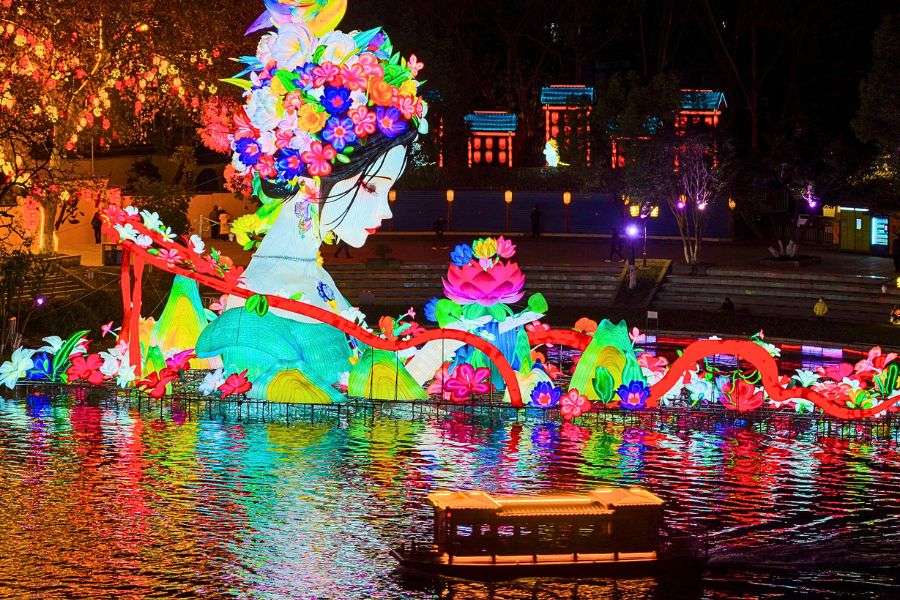
Nanjing offers a more traditional and romantic atmosphere. The Lantern Festival is centered around the Qinhuai River and the Confucius Temple area, where thousands of lanterns are reflected on the water. The celebration normally lasts from late January to late March.
Walking along the river is often free, but some temple gardens and scenic areas charge entrance fees of around 40 to 80 RMB. March weather in Nanjing can still be cool, with temperatures between 5°C and 14°C, so warm clothing is recommended.
Travelers visiting eastern China often combine Nanjing with other nearby destinations, as the region is well connected by high speed train.
Shanghai
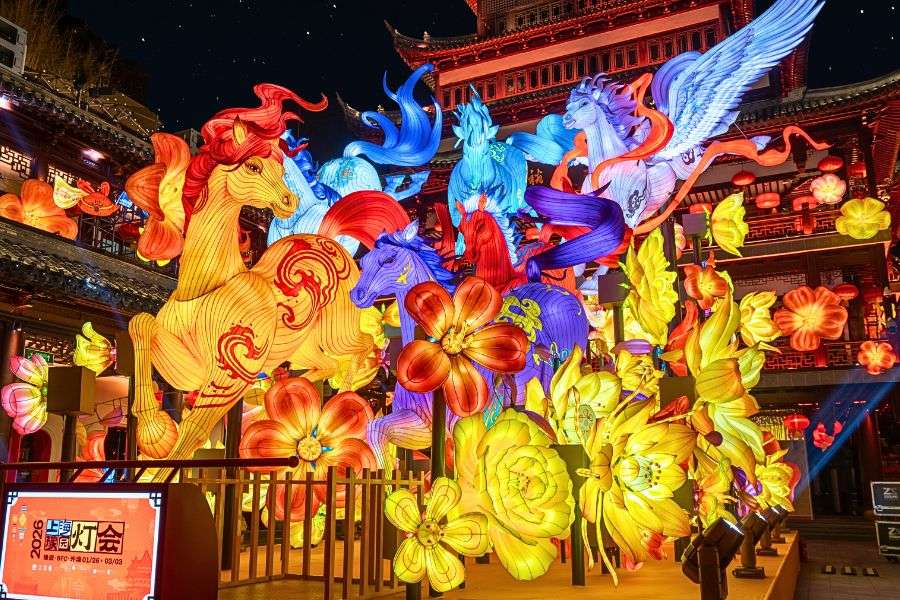
Shanghai hosts one of the most famous Lantern Festival displays at Yu Garden. The event combines traditional architecture with the modern skyline of the city, creating a unique atmosphere that attracts visitors from around the world.
The lantern displays usually last for about one month around the festival date. Entry is free on most days, but during peak festival nights visitors may need to pay around 50 to 80 RMB to enter the main viewing area.
March weather in Shanghai is cool, usually between 7°C and 15°C. Because Shanghai is one of the most popular destinations in China, many visitors experience the Lantern Festival as part of Shanghai tours or longer China tours that include several major cities.
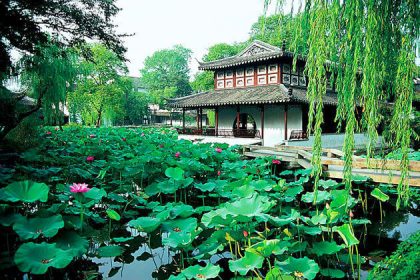
Shanghai Shore Excursions
- Duration: 8 hours
- Start/ End: Shanghai cruise terminal/ Shanghai cruise terminal
- Highlights: Humble Administrator’s Garden, Suzhou Museum, Suzhou Silk Museum
- Tour Customizable: Absolutely! (Tell us your specific requirements in the inquiry form)
- Tour Category: Shanghai Shore Excursions
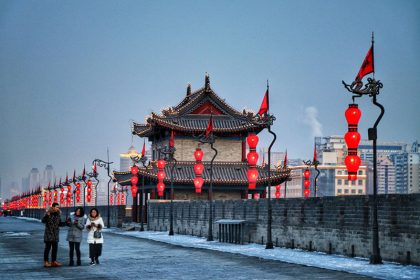
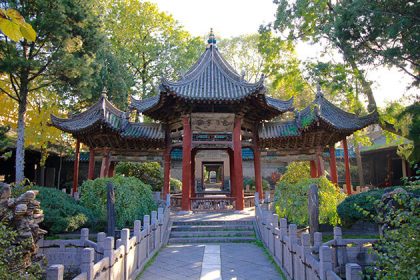
Shanghai Shore Excursions
- Duration: 2 Days
- Highlights: Shaanxi Provincial History Museum, Big Wild Goose Pagoda, The Great Mosque, Shaanxi Grand Opera House, Terra-cotta Warriors
- Start/ End: Shanghai Port/ Shanghai Port
- Tour Customizable: Absolutely! (Tell us your specific requirements in the inquiry form)
- Tour Category: Shanghai Shore Excursions
Travel Tips and Essential Logistics
Traveling during the Lantern Festival requires careful planning because the celebration takes place near the end of the Spring Festival travel season, one of the busiest times of the year in China.
Flights and high speed train tickets can sell out quickly, so transportation should be booked at least two or three weeks in advance. Hotels near popular festival locations also become fully booked early, especially in major cities.
March weather in most parts of China is a transition from winter to spring. Daytime temperatures are usually comfortable, but evenings can still be cold. Since most lantern displays take place at night, visitors should bring warm clothing and comfortable shoes.
Public transportation is usually the easiest way to travel during the festival. Large cities have efficient metro systems, and high speed trains connect most major destinations. Travelers who prefer a relaxed schedule often choose guided China tours so they do not need to worry about tickets, routes, or language barriers.
The Lantern Festival in China is more than a beautiful celebration. It is a cultural experience that reflects the history, traditions, and spirit of the Chinese people. Grand lantern displays in Zigong, historic rivers in Nanjing, and lively streets in Shanghai each offer a unique way to experience the festival. Careful planning can turn the Lantern Festival into one of the most memorable highlights of any journey to China.